Key Takeaways
- Recent EV infrastructure issues in Australia signal broader problems globally.
- Electric vehicle sales are projected to grow by 30% in Southeast Asia by 2025.
- Robust charging solutions are essential for consumer confidence in EVs.
- Indonesia’s EV market is expanding, requiring enhanced infrastructure.
- Investment in technology can resolve many current charging challenges.
Understanding the Current Landscape of EV Charging
The rapid shift towards electric vehicles (EVs) has brought to light significant obstacles in charging infrastructure. While the global push for sustainability sees increasing EV adoption, recent challenges, particularly highlighted in Australia, underscore the urgent need for comprehensive solutions. The Australian case serves as a cautionary tale for other regions, especially in Southeast Asia, where similar infrastructure issues could impede growth.
Recent Issues in Charging Infrastructure
Recent outages and service disruptions have raised concerns about the reliability of EV charging stations. In Australia, some users faced extended downtimes, prompting discussions about the sustainability of existing infrastructure. Such issues can deter potential EV buyers, leading to a decline in consumer confidence.
The Southeast Asian Market: A Unique Opportunity
As electric vehicle sales are anticipated to rise dramatically in Southeast Asia—projected at a growth rate of 30% by 2025—countries like Indonesia, particularly cities such as Jakarta, Surabaya, and Bali, need to bolster their charging networks. This region represents a unique opportunity for investment, innovation, and infrastructure development in the EV sector.
Strategies for Improvement
Addressing the current infrastructure issues requires a multifaceted approach involving government support, private investments, and technological advancements. Here are some strategic recommendations to enhance EV charging services:
- Government Incentives: Promoting subsidies for charging station installation can encourage private enterprises to invest.
- Public-Private Partnerships: Collaborations can facilitate the development of more robust charging infrastructure, improving accessibility.
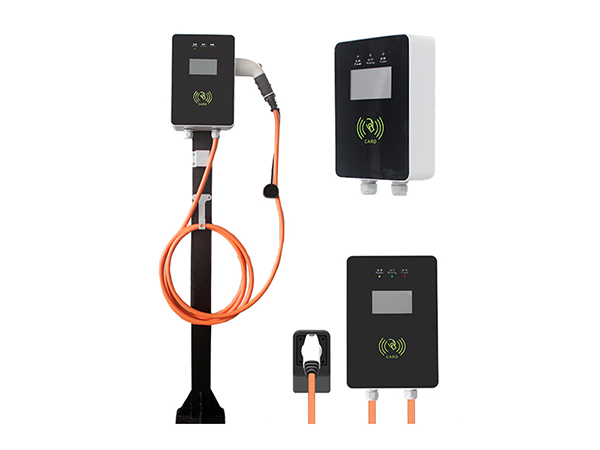
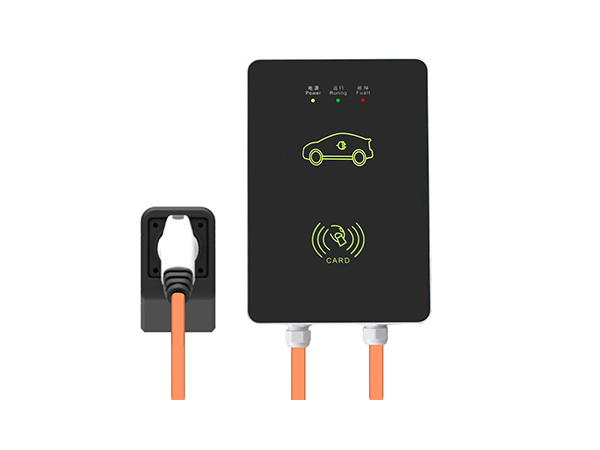
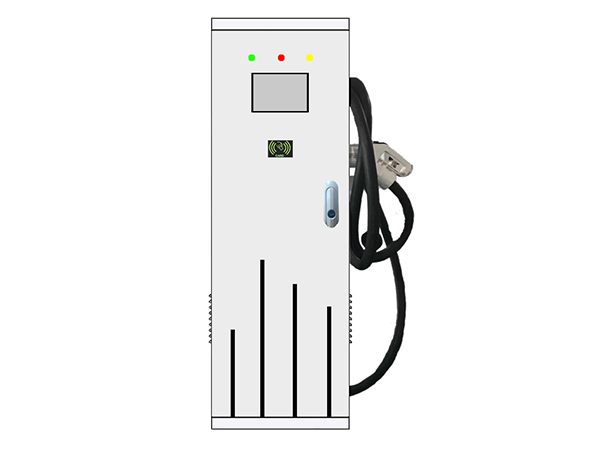
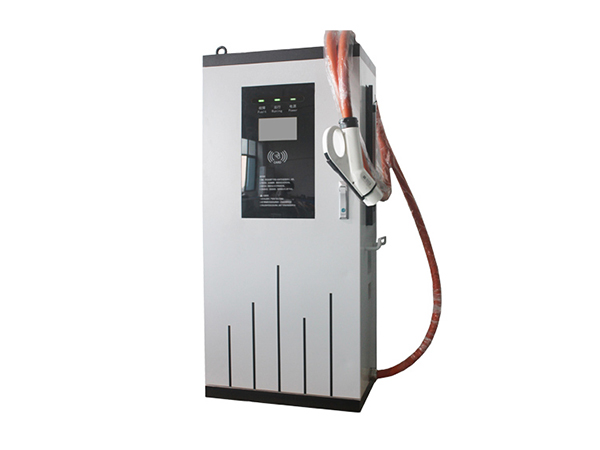
- Technological Innovations: Investing in smarter charging solutions, such as fast chargers and mobile charging units, can significantly improve user experience.
- Consumer Engagement: Educating consumers about the EV charging process and benefits can boost confidence and adoption.
The Role of Technology in Future Solutions
Emerging technologies are paving the way for a more reliable EV charging future. For instance, advancements in battery technology and mobile charging solutions can mitigate current problems. Furthermore, the integration of smart technologies can optimize charging stations, allowing for real-time updates and maintenance notifications.
Conclusion: The Road Ahead
As the electric vehicle market continues to expand, addressing infrastructure challenges must remain a priority for governments and businesses alike. The lessons learned from recent failures serve as a wake-up call. With strategic investments in technology and infrastructure, Southeast Asia, particularly Indonesia, can become a leader in the EV space. The future of electric vehicles relies on overcoming these hurdles to ensure a seamless charging experience for consumers.