Introduction
The electric vehicle (EV) market is witnessing a significant transformation in 2023, driven by a confluence of factors that are making EVs more accessible to a broader audience. With a surge in affordable electric vehicle models and a robust enhancement of charging infrastructure, the landscape for EV adoption is changing rapidly. This shift is particularly evident in Southeast Asia, where countries like Indonesia are poised to become pivotal players in the global EV revolution.
Key Takeaways
- Affordable EV models are gaining traction across Southeast Asia.
- Improved charging infrastructure is crucial for increased EV adoption rates.
- Indonesia is emerging as a key market for electric vehicle growth.
- Government policies are supporting the transition to electric mobility.
- Consumer awareness and education are essential for market expansion.
Current Trends in EV Adoption
The landscape of electric vehicles is rapidly evolving, with several manufacturers launching budget-friendly models that cater to the needs of the everyday consumer. In Indonesia, the government has introduced incentives aimed at reducing the price of EVs while also promoting local manufacturing. For instance, several national initiatives are aimed at encouraging investments in the EV sector, making models more affordable for a greater segment of the population.
Moreover, the trend of integrating user-friendly technology in electric vehicles has further boosted customer interest. Features such as advanced infotainment systems and enhanced safety protocols are becoming standard, making EVs not just an environmentally friendly solution, but also an attractive option for consumers.
Charging Infrastructure Expansion
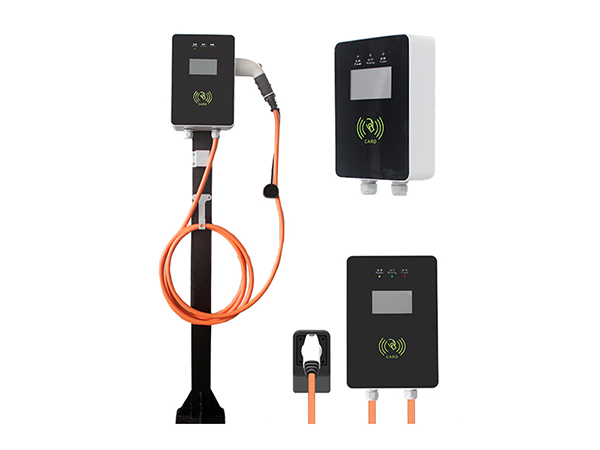
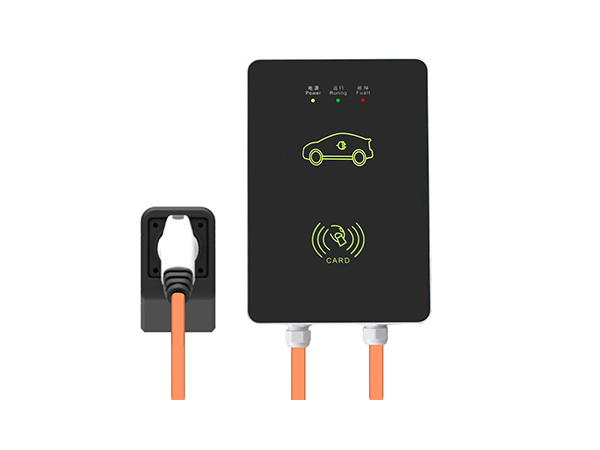
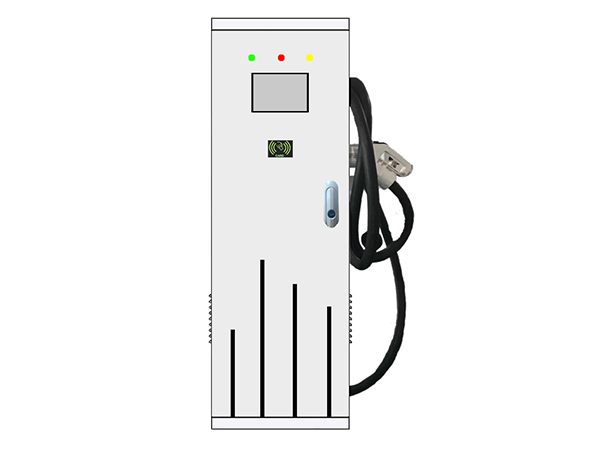
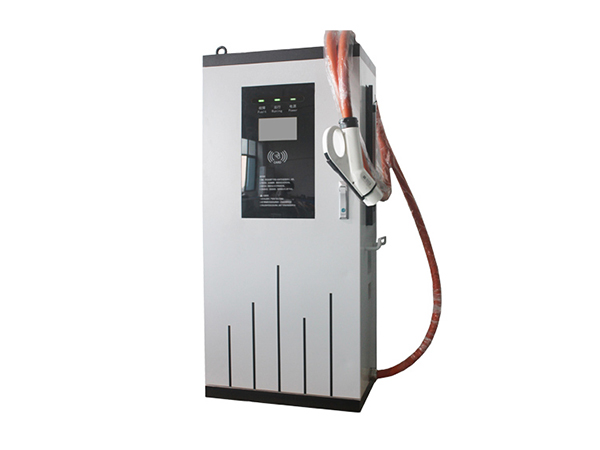
Alongside the introduction of affordable EV models, the expansion of charging infrastructure has been pivotal for increasing adoption rates. Recent reports indicate that the number of charging stations in major Indonesian cities like Jakarta, Surabaya, and Bali has grown exponentially. This increase is crucial in alleviating range anxiety among potential EV buyers, ensuring they have convenient access to charging facilities.
For instance, partnerships with local businesses and government agencies are facilitating the installation of charging stations in high-traffic areas, which further promotes the use of electric vehicles. This cohesive effort underscores the commitment to fostering a sustainable transportation ecosystem in the region.
The Role of Consumer Awareness
As the EV market expands, consumer education plays a vital role in enhancing acceptance of electric vehicles. Many potential buyers remain unaware of the benefits of EVs, including lower operating costs and reduced environmental impact. Dedicated campaigns aimed at informing consumers about these advantages are crucial for driving sales.
In Indonesia, initiatives that focus on educating the public about electric mobility have gained momentum, with workshops and informational sessions being held to discuss the benefits and technology behind EVs. This proactive approach is essential for dispelling myths and misconceptions about electric vehicles, paving the way for a smoother transition.
Government Policies Supporting EV Growth
Government intervention has been instrumental in shaping the electric vehicle landscape. Regulatory frameworks that promote the use of EVs through tax incentives and subsidies create a more favorable market environment. For instance, the Indonesian government's commitment to reducing carbon emissions aligns with its broader strategy of sustainable development, which includes fostering a robust electric vehicle industry.
These policies not only support domestic production but also encourage foreign investments in the EV sector, further boosting the economy and green technology adoption.
Conclusion
The combination of affordable electric vehicle models and enhanced charging infrastructure is a game changer for the EV market, particularly in Southeast Asia. As countries like Indonesia embrace this transition, the potential for growth is immense. With supportive government policies and increased consumer awareness, the future of electric vehicles looks promising, setting the stage for a cleaner and more sustainable transportation landscape.