
Why Electric Vehicles Are Not Gaining Momentum Despite Their Benefits
The shift towards electric vehicles (EVs) is becoming increasingly vital as the world grapples with climate change and aims for sustainability. Despite the promising economic advantages and environmental benefits of electric vehicles, adoption rates remain surprisingly sluggish. Understanding the underlying factors that contribute to this slow uptake can illuminate pathways to foster a more electric future.
The Economic Incentives for EV Adoption
Electric vehicles present a compelling economic case. They are generally cheaper to operate compared to traditional gasoline-powered cars due to lower fuel costs and reduced maintenance expenses. Moreover, government incentives often sweeten the deal, offering tax credits or rebates that significantly lower the initial purchase price of EVs.
Long-Term Savings
- Lower fuel costs, especially as electricity rates remain stable.
- Reduced maintenance costs due to fewer moving parts in electric motors.
- Potential tax rebates and incentives for EV buyers that can offset initial costs.
The Environmental Edge
By choosing an electric vehicle, consumers not only save money but also contribute to a healthier planet. EVs produce zero tailpipe emissions, which is crucial in reducing air pollution in urban areas and combatting climate change. This ecological benefit resonates with an increasingly environmentally conscious consumer base.
Barriers to Widespread Adoption
Despite the clear advantages, several barriers continue to impede the widespread adoption of electric vehicles. Understanding these challenges is essential for manufacturers, policymakers, and consumers alike to encourage a shift towards electric mobility.
Charging Infrastructure Deficiencies
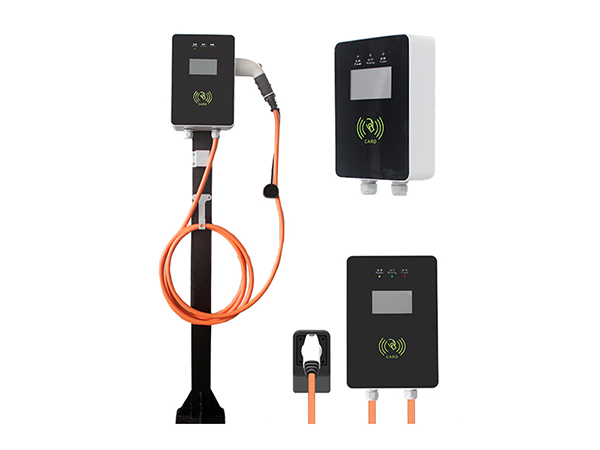
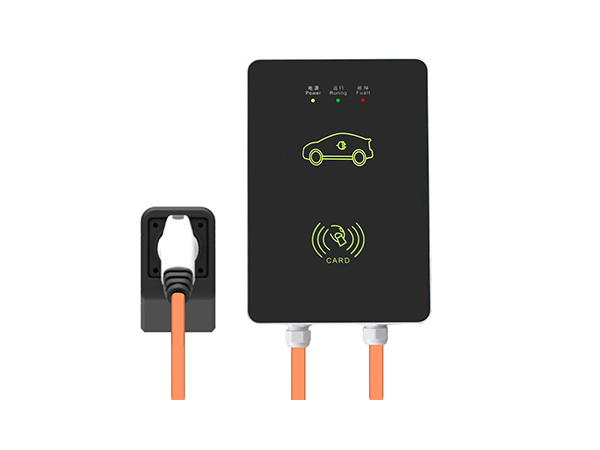
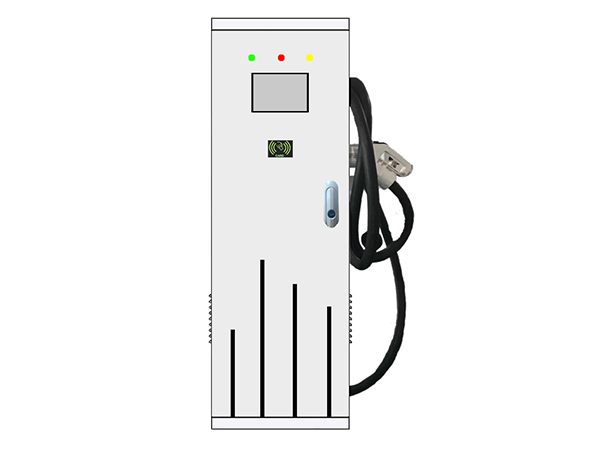
One of the primary challenges facing potential EV buyers is the lack of adequate charging infrastructure. Unlike conventional fuel stations that abound in urban and rural settings, charging stations for electric vehicles are still relatively scarce. This scarcity creates range anxiety among prospective buyers, as they worry about running out of battery power before reaching a charging station.
Upfront Costs and Financial Concerns
Even though the long-term savings on fuel and maintenance can offset initial expenses, the upfront cost of purchasing an electric vehicle still remains a significant barrier for many consumers. While incentives help, they might not be enough to sway people who are already concerned about personal finances. This hesitation is particularly pronounced in the midst of economic uncertainty.
Consumer Awareness and Education
Another hurdle is the lack of awareness and understanding among consumers regarding the benefits of electric vehicles. Many people still hold misconceptions about EVs, from concerns over performance to their overall impact on the environment. Increasing consumer education is paramount in dispelling myths and showcasing the positive attributes of EV ownership.
Myths vs. Facts
- Myth: EVs have limited range and cannot be used for long trips.
Fact: Modern EVs offer impressive ranges, often exceeding 200 miles on a single charge. - Myth: Charging takes too long and is inconvenient.
Fact: Many EV owners charge their vehicles overnight at home, similar to charging a smartphone. - Myth: Electric cars are too expensive.
Fact: With incentives and lower operating costs, EVs can be more affordable in the long run.
Future Trends and Opportunities
As the automotive industry evolves, the landscape for electric vehicles is also shifting. With advancements in technology, increased investment in charging infrastructure, and growing consumer awareness, the future looks promising for EV adoption.
Innovative Charging Solutions
The emergence of new technologies and solutions in the EV charging sector is crucial. Companies like Elmoraq are pioneering innovative charging solutions that make EV ownership more accessible. With fast-charging stations and user-friendly apps, charging an electric vehicle is becoming as seamless as refueling a traditional car.
Government Initiatives
Governments around the world are playing a pivotal role in promoting EV adoption through policies that encourage green technologies. Investments in infrastructure, along with stricter pollution regulations, push consumers towards electric vehicles, making them a necessary choice for environmentally conscious drivers.
Conclusion
Although electric vehicles make economic sense and offer numerous benefits, significant hurdles remain in achieving widespread adoption. By addressing infrastructure concerns, enhancing consumer education, and leveraging government support, we can overcome these barriers. As the world moves toward a more sustainable future, embracing electric vehicles is not just beneficial—it is essential for the health of our planet and our economies.