
Oman to Revolutionize EV Infrastructure with 190 Charging Stations by 2027
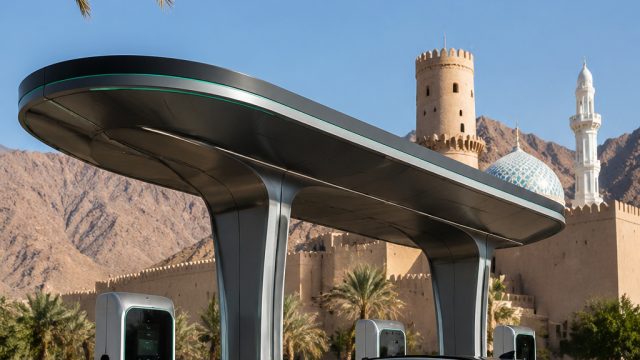
Oman is embarking on an ambitious initiative to enhance its electric vehicle (EV) infrastructure by adding 190 charging points across the country by the year 2027. This strategic move not only aligns with global trends towards sustainable transport solutions but also underscores Oman's commitment to a greener future.
The Push for Electric Vehicles in Oman
As global awareness about climate change increases, countries are recognizing the importance of reducing carbon footprints. Oman is no exception, as it prepares to transition its government fleets to electric power. This initiative is expected to significantly reduce emissions while promoting the use of eco-friendly vehicles among citizens and businesses alike.
Government Fleet Electrification
The government's decision to adopt electric vehicles is a key driver behind the upcoming expansion of charging infrastructure. By transitioning public transportation and government vehicles to electric models, Oman aims to set a vital example for private sector adoption.
- Reduction in greenhouse gas emissions
- Enhanced air quality in urban areas
- Increased public awareness of electric vehicles
Strategic Locations for Charging Points
One of the significant challenges facing electric vehicle adoption is the availability of charging infrastructure. The planned 190 charging points will be strategically located throughout urban centers and along major highways, ensuring that drivers have easy access to charging facilities. This is crucial for alleviating range anxiety, which often deters potential EV owners.
Factors Influencing Charging Station Locations
The selection of sites for the new charging points will be influenced by several key factors, including:
- Proximity to high-traffic areas
- Integration with existing transport networks
- Accessibility for all types of EVs
Implications for the Local Economy
The expansion of the EV charging network is set to have a broader impact on Oman's economy. Beyond environmental benefits, this initiative may lead to new business opportunities and job creation within the green technology sector.
Job Creation and New Business Opportunities
As the demand for EVs and charging infrastructure grows, so too will the need for skilled workers and technology providers. This could result in:
- Growth in local businesses focused on EV maintenance and servicing
- Job creation in the installation and management of charging stations
- Potential for attracting foreign investment in green technology
Encouraging Public Support for Electric Vehicles
For the success of this initiative, public support is crucial. Increased awareness programs and incentives for electric vehicle ownership will be necessary to foster a culture of sustainability in Oman. The government plans to implement educational campaigns aimed at informing citizens about the benefits of EVs and the availability of charging infrastructure.
Incentives for EV Adoption
To encourage the use of electric vehicles, the government might consider various incentives such as:
- Tax reductions for EV purchases
- Subsidies for charging station installations
- Discounts on electricity for EV charging during off-peak hours
Conclusion: A Step Towards a Sustainable Future
The introduction of 190 new EV charging points by 2027 represents a significant leap toward establishing a robust electric vehicle infrastructure in Oman. By promoting electric vehicles and sustainable transport solutions, Oman is not only addressing environmental concerns but also paving the way for economic growth and innovation. This initiative is an essential development that many will be watching as the country continues down its path towards a more sustainable and eco-friendly future.