



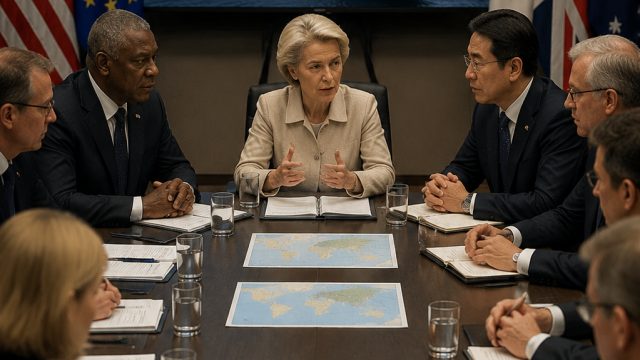
In recent weeks, the geopolitical landscape surrounding Taiwan has escalated as leaders from the United States, the United Kingdom, France, and Germany have raised significant concerns about China's increased naval operations in the eastern waters of Taiwan. This surge in military presence is not merely a regional issue; it reflects a broader strategy by China to assert dominance in the Asia-Pacific region. The situation is evolving rapidly, and understanding the implications is crucial for global stability.
The Escalating Tensions
As China continues to conduct naval patrols off the eastern coast of Taiwan, various nations are expressing alarm about the potential for increased conflict. The U.S., UK, France, and Germany have voiced their worries, emphasizing that these maneuvers represent a challenge to international norms and regional peace.
What’s Driving These Concerns?
- Increased Military Activity: China has dramatically ramped up its naval presence in the Taiwan Strait, an area crucial for maritime navigation and global trade.
- Regional Security Dynamics: The concern among western nations is not just about Taiwan; it's about the implications for regional partners and allies.
- International Responses: The coordinated voice from these nations signifies a unified stand against perceived aggression by China.
Implications for International Relations
The situation around Taiwan is pivotal, impacting not only the immediate region but also global diplomatic relations. The United States, which remains committed to supporting Taiwan, faces a delicate balancing act in its relations with China. Heightened tensions in the Taiwan Strait can lead to a breakdown in communication between major powers, affecting trade and diplomatic ties.
Potential Outcomes
- Increased Military Posturing: Both sides may escalate military readiness, leading to potential clashes.
- Diplomatic Isolation: China may find itself increasingly isolated as international allies rally around Taiwan.
- Trade Disruptions: Maritime activities may face disruptions, impacting global supply chains.
Regional Allies in Focus
Countries in the Asia-Pacific region are closely monitoring these developments. Nations such as Japan, South Korea, and Australia are likely to increase their military preparedness in response to China's actions. Their involvement is crucial as they have vested interests in maintaining stability in the region.
Support from Allies
- Joint Military Exercises: Regional allies may coordinate joint exercises as a show of force and solidarity.
- Intelligence Sharing: Enhanced intelligence collaboration could occur among allies to monitor Chinese naval activities.
- Economic Partnerships: Strengthening economic ties can also serve as a buffer against aggressive maneuvers.
Conclusion: A Call for Dialogue
As the situation around Taiwan continues to develop, it is imperative for all parties involved to engage in constructive dialogue. The current trajectory of heightened military presence may lead to significant global repercussions. Leaders from around the world must prioritize communication and diplomacy to avoid miscalculations that could escalate into a larger conflict. The stability of the Asia-Pacific region hangs in the balance, and proactive measures are essential to ensure peace and security for all nations involved.