Key Takeaways
- EV charging solutions are evolving rapidly, increasing efficiency and accessibility.
- Indonesia leads Southeast Asia in adopting electric vehicles and charging infrastructure.
- Renewable energy integration is crucial for future charging solutions.
- Government initiatives support the growth of EV markets in ASEAN countries.
- Consumer demand for sustainable energy is driving innovation in the sector.
Exploring the Landscape of EV Charging Solutions
The electric vehicle (EV) market is witnessing unprecedented transformations, particularly in regions like Southeast Asia. Countries such as Indonesia are embracing innovative EV charging technologies that enhance energy distribution and reduce carbon footprints. As this sector expands, it is essential to understand the implications of these developments for consumers and the environment.
The Surge of Electric Vehicles in Indonesia
Indonesia has emerged as a key player in the EV market, with a projected annual growth rate of 30%. The government is implementing policies to promote electric vehicle usage, including incentives for consumers and investments in charging infrastructure. Major cities like Jakarta and Surabaya are leading the charge, with numerous charging stations planned in urban areas to cater to the growing fleet of electric vehicles.
Innovations in Charging Technology
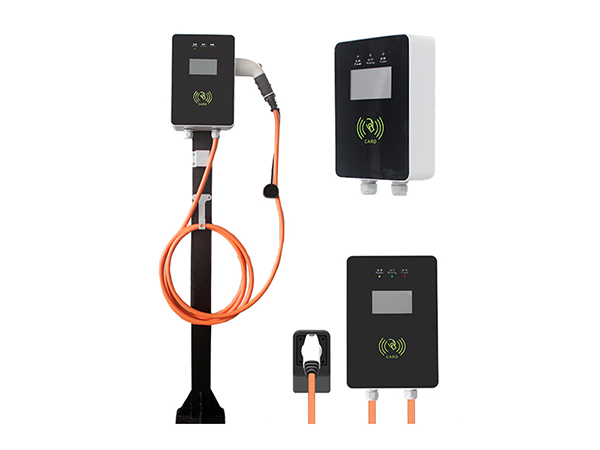
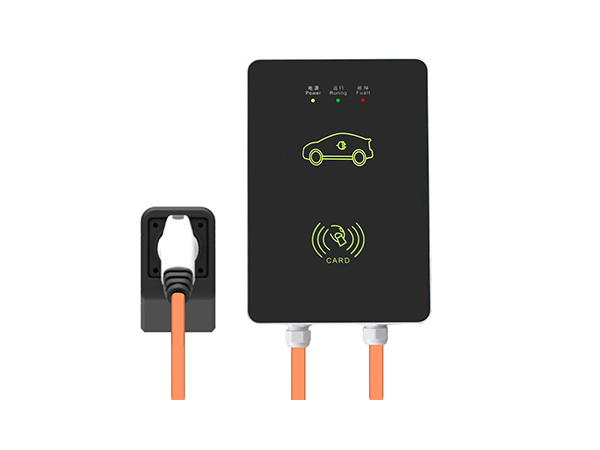
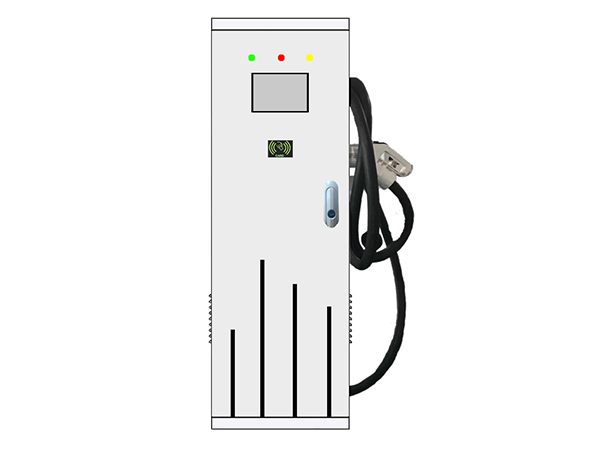
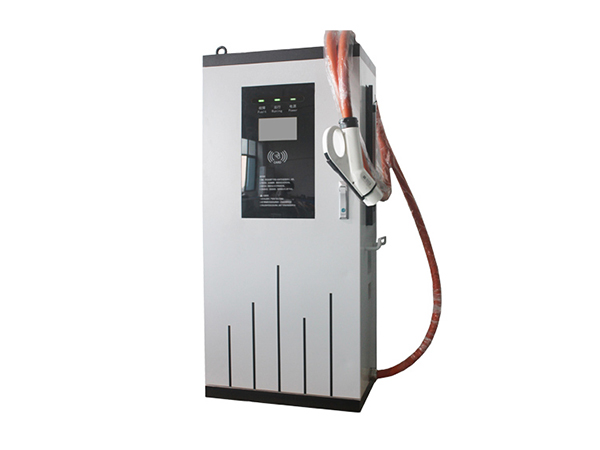
Recent advancements in EV charging solutions include the development of ultra-fast chargers and smart charging networks. These technologies can significantly reduce charging times, making electric vehicles more convenient for users. For instance, some new installations can charge a vehicle to 80% in under 30 minutes, transforming how consumers perceive electric vehicle ownership.
Integration of Renewable Energy Sources
The push for sustainable energy solutions is driving the integration of renewable resources, like solar and wind, into EV charging infrastructure. This approach not only minimizes reliance on fossil fuels but also enhances the overall efficiency of energy consumption. In areas such as Bali, initiatives to power charging stations with solar energy are giving a boost to the green energy movement, aligning with global climate goals.
Government Support and Investment
To facilitate the growth of the EV market, government initiatives are crucial. In Indonesia, recent policies have been enacted to attract foreign investments in EV technology and infrastructure development. These measures aim to bolster the nation’s capabilities in producing electric vehicles domestically and support local manufacturers, promoting technological advancements in the sector.
Challenges to Overcome
Despite the momentum, the EV industry in Southeast Asia faces significant challenges. Infrastructure gaps, high initial purchase costs of electric vehicles, and the need for widespread consumer education on EV benefits remain critical hurdles. Addressing these issues will be essential to ensuring the continued growth and acceptance of electric vehicles in the region.
Conclusion: The Future of EV Charging in Southeast Asia
The evolution of EV charging technologies is reshaping the energy landscape across Southeast Asia. As Indonesia and other ASEAN nations invest in charging infrastructure and renewable energy, the potential for sustainable transportation is immense. Staying informed about these developments is vital for businesses, consumers, and policymakers alike, as they navigate the transition towards a greener future.