
In a concerning development, France has confirmed its first case of Ebola in a doctor who recently returned from the Democratic Republic of the Congo (DRC). As the global health community closely monitors the situation, this incident brings to light several critical issues surrounding disease management and public health safety.
The Implications of the First Case
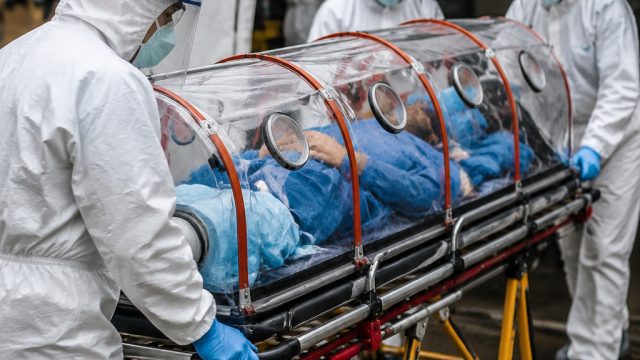
The confirmation of an Ebola infection in France raises urgent questions regarding preparedness and response protocol. The patient, who had been working in the DRC, is currently receiving treatment and is under strict quarantine to prevent further spread. This situation highlights the necessity for robust health infrastructure, especially for countries receiving travelers from regions experiencing disease outbreaks.
Why This Matters Now
As Ebola cases continue to rise in Africa, surpassing 1,000 confirmed infections, countries worldwide must assess their readiness to handle similar outbreaks. The World Health Organization (WHO) is closely monitoring the epidemic, urging nations to remain vigilant.
- Enhanced Screening: Airports and border entry points need to implement thorough health screenings for travelers from high-risk areas.
- Public Awareness: Educating the public about the symptoms of Ebola and how it spreads is vital to prevent panic and misinformation.
- Containment Protocols: Establishing clear protocols for healthcare workers returning from affected regions can help mitigate risks.
Healthcare Response in France
The French health ministry and local health authorities are mobilizing to address the situation efficiently. Local hospitals are being equipped to manage infectious diseases, ensuring that they can respond swiftly should more cases arise.
What Locals Should Know
Residents in France are being urged to stay informed about the situation and adhere to health guidelines provided by authorities. Here are some key points for residents:
- Awareness of Symptoms: Symptoms of Ebola include fever, fatigue, muscle pain, and abdominal pain, which can escalate quickly.
- Stay Informed: Follow updates from health authorities regarding travel advisories and health recommendations.
- Practice Good Hygiene: Regular hand washing and minimizing contact with potentially infected individuals is crucial.
Global Context: Learning from Past Outbreaks
This case serves as a reminder of previous Ebola outbreaks that had devastating effects on affected nations. Each incident provides valuable lessons regarding resource allocation, international collaboration, and the need for quick response strategies.
International Cooperation in Health
The Ebola outbreak reinforces the importance of international cooperation in health. As nations work together to tackle global health threats, sharing data and resources becomes increasingly vital. Established protocols for surveillance and response must be continuously updated based on emerging evidence and changing circumstances.
Conclusion: The Path Forward
The emergence of Ebola in France is a wake-up call for nations worldwide. It underscores how interconnected our global health systems are and the need for constant vigilance against infectious diseases. As health authorities mobilize response efforts, public cooperation and awareness will play crucial roles in managing this emerging threat effectively. Staying informed, practicing good personal hygiene, and being aware of symptoms can help keep communities safe as we navigate these challenging times.