



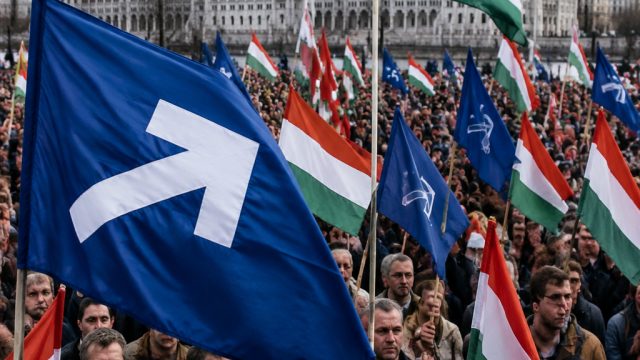
Recent research indicates a significant shift in the political landscape of Europe, with nearly one in four voters now backing right-wing parties. This marks a striking increase compared to the mid-1990s, highlighting a growing trend that demands immediate attention. Understanding the implications of this shift is crucial for both political analysts and the general public.
The Current Landscape of Right-Wing Politics
According to a comprehensive study conducted by over 150 political scientists across 31 European countries, the support for right-wing parties has risen to more than 23%. This figure is nearly five times higher than the levels observed in the 1990s. The findings were reported by reputable sources, urging a closer examination of this phenomenon.
Historical Context
To appreciate the current situation, it's essential to consider the historical context:
- 1990s: Right-wing parties had minimal influence in various European nations.
- 2000s: A gradual increase in support, primarily due to economic concerns.
- 2010s: Growing nationalism and anti-immigration sentiments began shaping voter preferences.
Factors Contributing to the Surge
The rise in support for right-wing parties can be attributed to several key factors:
Economic Concerns
Many voters are increasingly worried about economic stability, especially in light of recent global challenges. High inflation rates, rising living costs, and job insecurity have led individuals to seek alternatives to traditional parties.
National Identity and Immigration
The topic of national identity has taken center stage, with many citizens feeling a loss of cultural values. Right-wing parties have capitalized on these sentiments by fostering a narrative that prioritizes national interests and stricter immigration policies.
Disillusionment with Established Parties
A growing disillusionment with established political parties has also played a critical role. Voters are increasingly seeking out parties that offer radical change rather than incremental adjustments. This desire has opened the door for right-wing platforms that promise a break from the status quo.
Current Challenges and Future Implications
As right-wing parties gain traction, Europe faces a range of challenges:
Polarization of Society
The increasing support for these parties may lead to greater political polarization, further dividing societies already grappling with various issues, including economic disparity and social unrest.
Effect on Democracy
Many analysts are concerned about the potential impact on democracy itself. As right-wing parties gain power, there is a risk that democratic norms could be undermined, altering the political fabric of nations.
International Relations
Increased nationalism could also strain international relations, particularly within the European Union. Member states might adopt more insular policies, affecting trade, security, and collaborative efforts.
Conclusion: A Call to Engage
The rise of right-wing parties in Europe is a multifaceted issue rooted in economic, cultural, and political currents. As they continue to gain support, it is vital for citizens and political stakeholders to engage in meaningful dialogue and analysis. Understanding the dynamics at play will be essential for shaping the future of political discourse in Europe.
For readers keen to stay informed, we recommend following updates on political trends and engaging in discussions that matter. Your voice contributes to the larger narrative and helps shape the future of democracy across Europe.