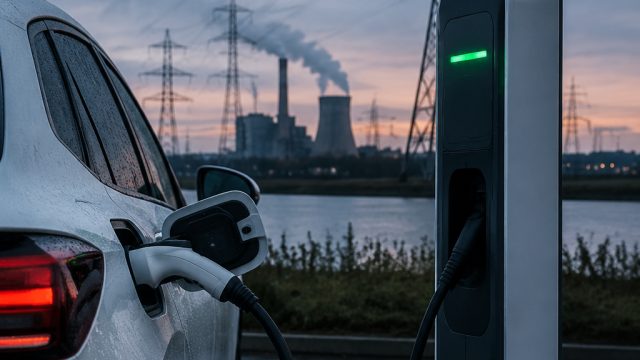
As Europe strides towards a more sustainable future, the electrification of transport systems is pivotal, particularly with the rise of electric vehicles (EVs). However, recent reports highlight significant obstacles, primarily stemming from bottlenecks in the electricity grid, which could impede progress. Understanding these challenges is crucial for stakeholders across the EV landscape, from consumers to policymakers.
The Current State of Europe's EV Infrastructure
Europe is committed to becoming the global leader in electrification, aiming to reduce carbon emissions dramatically by 2030. Electric vehicles are at the forefront of this transformation, but the necessary infrastructure to support widespread adoption is crucial. The European Commission has outlined ambitious targets, yet the reality on the ground reveals a disconnect between growth in EV sales and the supporting grid infrastructure.
Rising Demand for EV Charging Solutions
- Increased EV registrations across major markets, particularly in Germany, France, and the UK.
- Growing consumer awareness and preference for sustainable transport alternatives.
- Government incentives aiming to stimulate EV adoption.
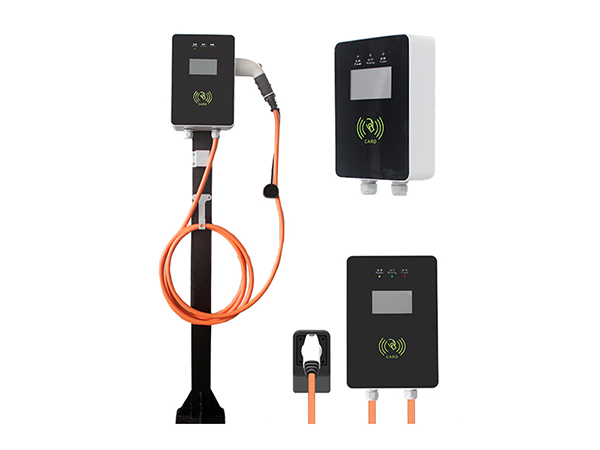
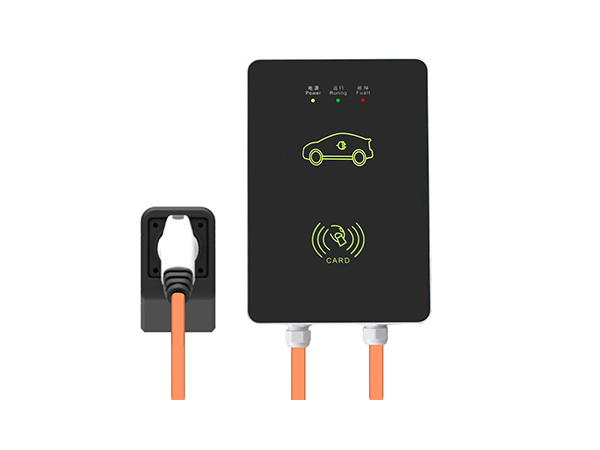
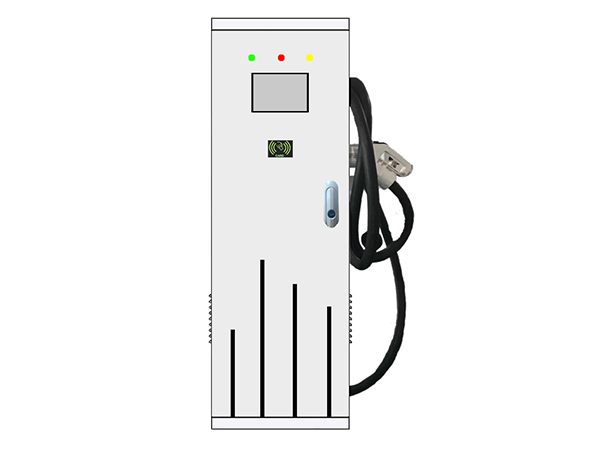
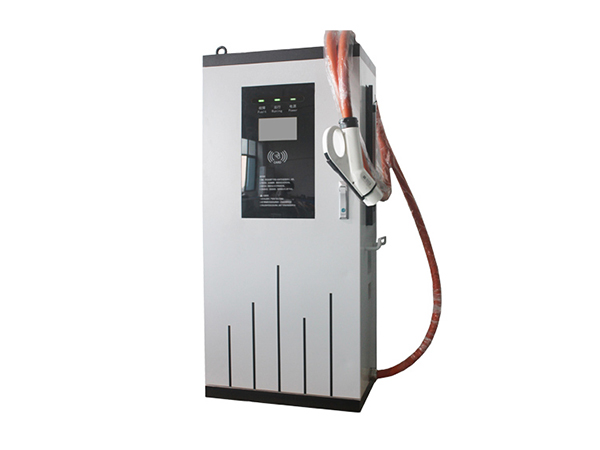
While these factors encourage the transition to electric mobility, they also place immense pressure on existing grid systems. The surge in demand for EV charging stations exacerbates the limitations of current infrastructure, leading to significant grid bottlenecks.
Identifying the Bottlenecks
Grid bottlenecks refer to points in the electricity transmission network where demand exceeds capacity, leading to inefficiencies and potential outages. The CEER (Council of European Energy Regulators) has flagged several key areas where these bottlenecks are most pronounced:
Geographical Disparities
Some regions are more advanced in EV infrastructure than others, creating imbalances. Urban areas usually have better access to charging stations, while rural zones lag significantly. This disparity can discourage EV adoption among consumers who may feel uncertain about the availability of charging options.
Inadequate Investment in Grid Upgrades
Despite the increasing importance of electrification, investments in upgrading grid infrastructure have not kept pace with demand. Many energy providers face financial and regulatory constraints that prevent them from enhancing their grid systems to accommodate the rising number of EVs.
The Role of Policymakers in Driving Change
To overcome these challenges, decisive action from policymakers is essential. By implementing strategic initiatives, governments can alleviate the pressure on existing grid systems and support the electrification agenda. Here are key actions that can be taken:
Enhancing Funding for Infrastructure Projects
Governments should allocate more resources to modernize grid infrastructure. Public-private partnerships can also leverage additional investment for large-scale upgrades.
Promoting Renewable Energy Sources
Incorporating more renewable energy sources into the grid can help meet the growing electricity demands from EVs. Solar and wind energy are particularly effective, as they can be deployed rapidly and provide clean energy closer to the points of consumption.
Encouraging Smart Grid Technologies
Implementing smart grid technologies allows for better management of electricity loads. These systems can optimize energy distribution based on real-time demand, thus improving efficiency and reducing bottlenecks.
Consumer Awareness and Education
Equally important is the role of consumer awareness in driving demand for EVs and supporting infrastructure development. Educating consumers on the benefits of electric mobility and the availability of charging solutions can help bridge the gap between supply and demand. Workshops, informational campaigns, and community events can foster a better understanding of EV systems and their impact on sustainability.
Conclusion: A Collective Effort Towards a Greener Future
The journey toward a fully electrified transport system in Europe is fraught with challenges, primarily due to grid bottlenecks. However, with concerted efforts from policymakers, energy providers, and consumers alike, these obstacles can be overcome. By investing in infrastructure and enhancing public awareness, Europe can secure its position as a leader in sustainable transport solutions, paving the way for a greener future.