



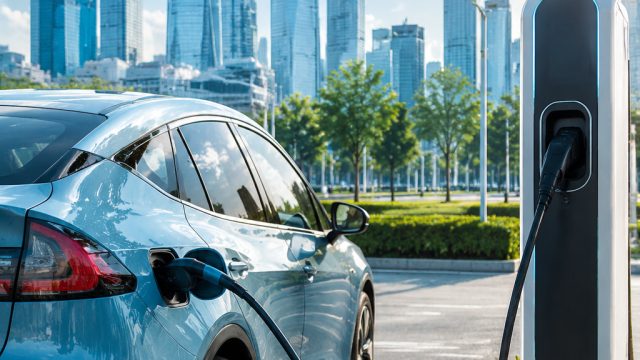
As the world grapples with the urgent need to combat climate change, China's rapid transition to electric vehicles (EVs) stands out as a pivotal moment in the fight against carbon emissions. While many celebrate the rise of EVs as a clean transportation alternative, this shift's implications are complex and multifaceted, particularly regarding global carbon reduction efforts.
The Current Landscape of China's EV Adoption
China has emerged as a leader in the electric vehicle market, with the government implementing aggressive policies to promote EV adoption. Policies such as subsidies for buyers and investment in charging infrastructure have significantly increased EV sales in recent years. However, this impressive growth has not come without challenges.
Government Initiatives Driving Change
- Substantial government subsidies for electric vehicle manufacturers and consumers.
- Investment in extensive charging networks to facilitate the transition.
- Strict regulations aimed at reducing pollution from traditional vehicles.
These initiatives have spurred a substantial increase in EV production, making China the largest market for electric vehicles globally. With millions of EVs on the road, the potential for reducing carbon emissions is substantial, but equally important is how this shift is affecting global emissions trends.
The Uneven Impact on Global Carbon Emissions
While China's electrification of transport presents a significant opportunity for carbon reduction, it also raises questions about the overall effectiveness of these measures. As more EVs hit the roads, the environmental impact largely depends on how the electricity powering these vehicles is generated.
Energy Sources and Emissions
Despite the growth of renewable energy in China, the country still relies heavily on coal for electricity generation. This reliance poses a significant challenge in realizing the full potential of emissions reductions from EVs. The carbon footprint of an electric vehicle can vary dramatically depending on the source of its power.
Key Points to Consider:
- Electric vehicles charged with renewable energy contribute to a significant reduction in emissions.
- Electric vehicles powered by coal-generated electricity may not yield the anticipated emissions benefits.
- The shift to EVs alone is not sufficient; a holistic approach to energy transition is essential.
Global Reactions and Responsibilities
Countries around the world are closely watching China's EV transition. As one of the largest carbon emitters, China's strategies have ramifications that extend beyond its borders. International stakeholders are assessing how to balance their own carbon reduction goals with the challenges posed by China's energy consumption patterns.
International Cooperation for a Sustainable Future
Collaboration across borders will be crucial to ensuring that the benefits of China's EV shift are maximized. Here are a few ways how global partnerships can play a role:
- Sharing technologies for renewable energy generation and electric vehicle infrastructure.
- Developing international standards for EV production and recycling to ensure sustainability.
- Joint ventures to improve battery technology for longer-lasting, less polluting energy storage solutions.
The Future of Electric Vehicles in a Carbon-Conscious World
As we move toward a more sustainable future, the role of electric vehicles in reducing global carbon emissions will be pivotal. For China, the challenge will be to sustain its rapid growth in EV adoption while transitioning its energy sources to cleaner alternatives.
What Lies Ahead:
- Continued investment in renewable energy will be crucial to ensure the full benefits of electric vehicles.
- Innovations in battery technology and smart grid solutions will further enhance EV efficiency.
- Public awareness and education about sustainable practices will encourage more consumers to adopt cleaner technologies.
In conclusion, the transition to electric vehicles in China represents an opportunity for significant carbon reductions, but it also poses challenges that require global cooperation and a dedication to renewable energy. By addressing these issues head-on, we can pave the way for a cleaner, more sustainable future.