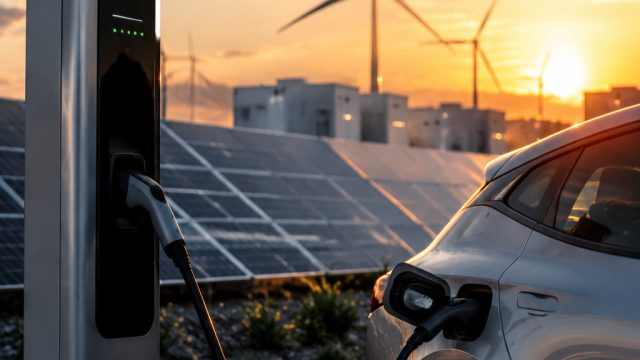
The recent conclusion of Intersolar & Energy Storage North America has illuminated critical pathways for the future of energy solutions. Industry experts gathered to discuss the evolving landscape of clean energy, focusing on grid transformation, AI innovations, and sustainable finance. These discussions are more relevant than ever, as the world faces pressing energy challenges and climate change impacts.
Significance of Grid Transformation
The transformation of power grids is a central theme at this year's conference. As renewable energy sources gain prominence, integrating them into existing grid infrastructures poses both opportunities and challenges.
Innovations Driving Change
- Smart Grid Technologies: The development of smart grid technologies is making it possible to manage energy distribution more efficiently. These systems allow for real-time data analytics, improving response times to energy demands.
- Decentralized Energy Systems: There's a growing trend towards decentralized power generation, where local sources like solar panels feed power directly into the grid. This reduces reliance on central power plants and enhances energy resilience.
- Energy Storage Solutions: Advances in battery storage technology are crucial to balancing the intermittency of renewable sources. These solutions ensure a steady supply of energy, even when production fluctuates.
The Role of Artificial Intelligence
Artificial Intelligence (AI) is playing an increasingly critical role in the energy sector, helping to optimize operations and improve efficiency. At Intersolar, experts highlighted various applications of AI in energy management.
Key Applications of AI in Energy
- Predictive Maintenance: AI algorithms can predict equipment failures before they occur, reducing downtime and lowering maintenance costs.
- Energy Consumption Forecasting: With machine learning, energy providers can forecast demand more accurately, allowing for better resource allocation.
- Consumer Engagement: AI-driven analytics help utilities understand consumer behavior, enhancing service offerings and promoting energy efficiency.
Financing the Future of Clean Energy
Financial solutions are essential to accelerate the deployment of clean energy technologies. Discussions at the conference emphasized the importance of innovative financing models to support energy projects.
Emerging Financial Models
- Green Bonds: These financial instruments are becoming a popular choice for funding renewable energy projects, ensuring that investments contribute to environmental sustainability.
- Public-Private Partnerships: Collaborations between government bodies and private companies can spur innovation and drive down costs associated with clean energy projects.
- Impact Investing: Investors are increasingly looking to align their portfolios with sustainable practices, creating a demand for impact investments in the energy sector.
Why These Trends Matter Now
The insights gleaned from Intersolar & Energy Storage North America underscore the urgency of adapting our energy systems. As climate change intensifies, the transition to cleaner energy sources becomes not just preferable, but necessary. Stakeholders must harness these emerging technologies and financial models to create a resilient, sustainable energy future.
In conclusion, the discussions held at this year's conference point to a rapidly evolving energy landscape. By embracing grid transformation, leveraging AI, and exploring innovative financing options, we can pave the way for a more sustainable future. The time to act is now, and the momentum from events like Intersolar can help accelerate this critical transition.