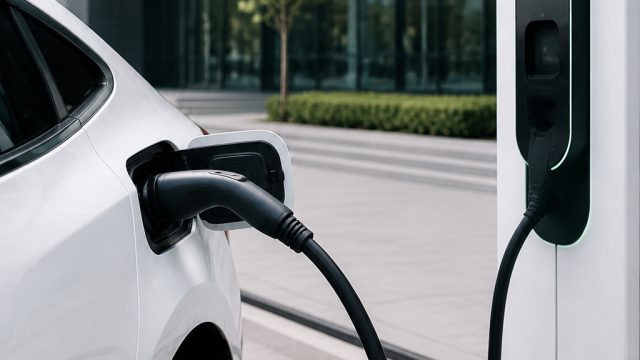
In a significant move set to reshape the EV charging landscape, Nissan has recently forged a partnership with Valeo to develop pioneering bidirectional charging technologies. This collaboration not only underscores the growing importance of electric vehicles (EVs) in our quest for sustainable energy solutions but also highlights timely innovations that could change how we think about energy consumption in the future.
Understanding Bidirectional Charging Technology
Bidirectional charging technology is designed to allow electric vehicles to both draw power from and return it to the grid. This capability contrasts sharply with traditional charging systems, which only allow energy to flow in one direction. The implications of this technology are profound, fostering a new era where EVs can contribute to energy stability and efficiency.
Key Benefits of Bidirectional Charging
- Enhanced Energy Management: With bidirectional charging, EVs can act as mobile energy storage units, allowing for better management of energy supply and demand.
- Cost Savings: Drivers can potentially earn credits or payments for the energy they provide back to the grid during peak demand times.
- Reduced Carbon Footprint: By using stored energy during high-demand periods, reliance on fossil fuels can be diminished, leading to a cleaner environment.
The Timing Couldn’t Be Better
The partnership between Nissan and Valeo comes at a critical time when global energy challenges and climate change concerns are at the forefront. In recent years, the shift towards renewable energy sources has accelerated, and the need for innovative solutions to facilitate energy management has never been more urgent.
Government Initiatives and Market Readiness
Governments worldwide are setting ambitious targets for EV adoption as part of their climate action plans. For instance, many countries aim to ban the sale of new gasoline vehicles within the next decade. This is prompting industries to reevaluate and enhance their charging infrastructure to support the anticipated influx of electric vehicles.
As the market for electric vehicles continues to grow, advancements in charging technology must keep pace. Bidirectional charging represents a significant leap forward, enabling EVs to serve as integral components of the energy ecosystem.
Nissan and Valeo: A Partnership Built on Innovation
Nissan, already a key player in the electric vehicle sector, is well-positioned to leverage its expertise and brand reputation in this collaboration with Valeo, a leader in automotive technology solutions. This partnership aims not only to enhance EV charging capabilities but also to drive the evolution of intelligent energy management systems.
Potential Applications of Bidirectional Charging
Beyond just residential applications, the implications of bidirectional charging technology are vast:
- Smart Grids: Integrating bidirectional charging with smart grids can enhance grid reliability and efficiency.
- Commercial Fleets: Businesses with electric fleets can optimize energy use and reduce costs significantly.
- Renewable Energy Utilization: EVs can store excess energy generated from renewable sources, thus balancing supply and demand.
Conclusion: A Vision for the Future
The partnership between Nissan and Valeo is more than just a business agreement; it represents a critical step towards a sustainable energy future. As bidirectional charging technology gains traction, consumers, businesses, and the environment stand to benefit immensely. This collaboration could very well be the catalyst that drives the widespread adoption of electric vehicles while enhancing our energy systems’ resilience and sustainability.
In a world increasingly focused on sustainability, the innovations stemming from this partnership will likely play a pivotal role in shaping the future of energy consumption and management. With both companies committed to pushing the boundaries of technology, the electric vehicle landscape is set for a transformative shift.