

The transportation sector is undergoing a remarkable transformation as the world increasingly embraces sustainability. In South Africa, the trucking industry, long dominated by diesel engines, is beginning to pivot towards electric vehicles (EVs). This evolution is not just a trend; it’s a critical necessity that reflects the global push for cleaner, greener solutions in logistics.
The Current Landscape of the Trucking Industry
Historically, South African trucking has relied heavily on diesel-powered vehicles, which have contributed significantly to air pollution and greenhouse gas emissions. Diesel engines have been favored for their power and efficiency, especially in long-haul operations. However, the tide is turning as environmental concerns rise and logistics companies seek out cleaner alternatives.
Why the Shift to Electric Trucks Matters
- Environmental Impact: Electric trucks produce zero tailpipe emissions, significantly reducing air pollution in urban areas.
- Cost Efficiency: Lower operating costs of electric vehicles due to reduced fuel and maintenance expenses.
- Regulatory Pressure: Increasing government regulations aimed at lowering emissions are pushing companies towards electric solutions.
Challenges Facing the Adoption of Electric Trucks
Despite the clear benefits, the transition to electric trucks is not without its challenges. Logistics companies must consider several factors before fully committing to electric fleets.
Key Barriers to Adoption
- Charging Infrastructure: Insufficient charging stations can hinder the daily operations of electric trucks, especially for long-distance routes.
- Range Anxiety: Concerns over battery life and the ability to cover necessary distances are common among fleet operators.
- Initial Costs: While long-term savings are apparent, the upfront costs of electric trucks can be prohibitive for some companies.
Innovations Driving Change
Fortunately, advancements in technology and infrastructure are aiding the transition to electric trucks in South Africa. Key players in the industry are collaborating to enhance the viability of electric fleets.
Emerging Solutions and Partnerships
Companies are investing in charging solutions that cater specifically to the needs of electric trucks:
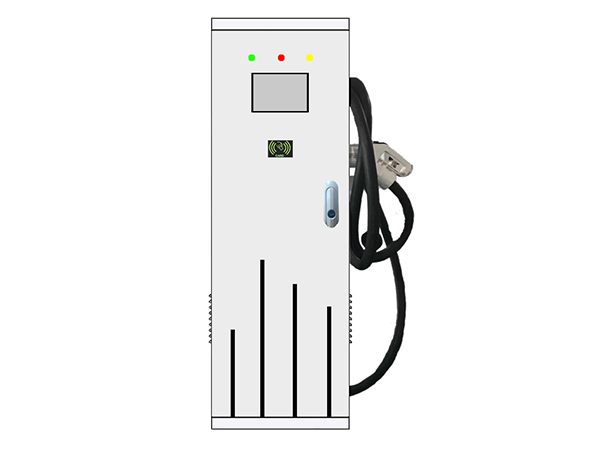
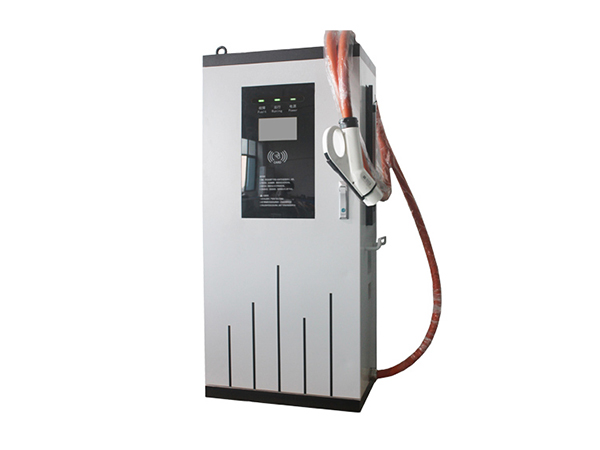
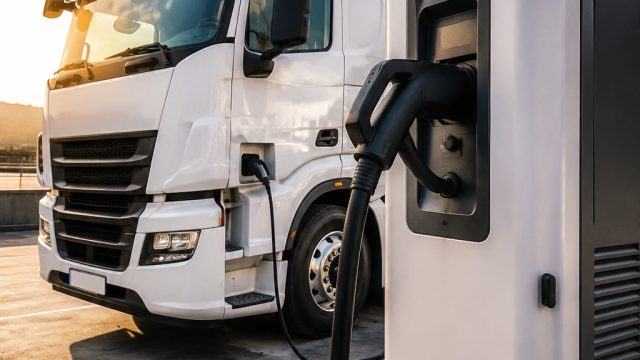
- Fast Charging Stations: Development of high-capacity charging stations that can quickly power electric trucks during breaks.
- Battery Technology: Innovations in battery capacity and lifespan are addressing range concerns, making electric trucks more reliable.
- Government Incentives: Increased support through subsidies and tax breaks to encourage fleet operators to transition to electric vehicles.
The Future of the Trucking Industry
The future of the trucking industry in South Africa looks promising as electric vehicle technology continues to evolve. Companies that adapt early to this shift will not only benefit from cost savings but also enhance their reputation by committing to sustainable practices.
What to Watch For
- Policy Changes: Keep an eye on government initiatives that promote electric vehicles, which will likely shape the industry.
- Technological Advancements: Ongoing improvements in battery and charging technologies will continue to address concerns and improve efficiency.
- Market Demand: As consumers increasingly prefer sustainable options, companies may need to align their offerings with market expectations.
Conclusion
As South Africa's trucking industry navigates this pivotal transition, the adoption of electric trucks is more than just an environmental necessity; it's a strategic move for business growth. By embracing electric solutions, companies can reduce their carbon footprint, lower operational costs, and position themselves as leaders in the evolving logistics landscape. The shift towards electric trucks is not merely about keeping up with trends; it’s a commitment to a sustainable future for all.