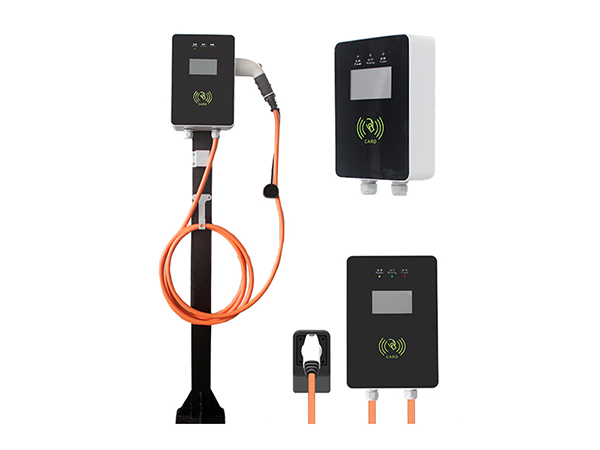
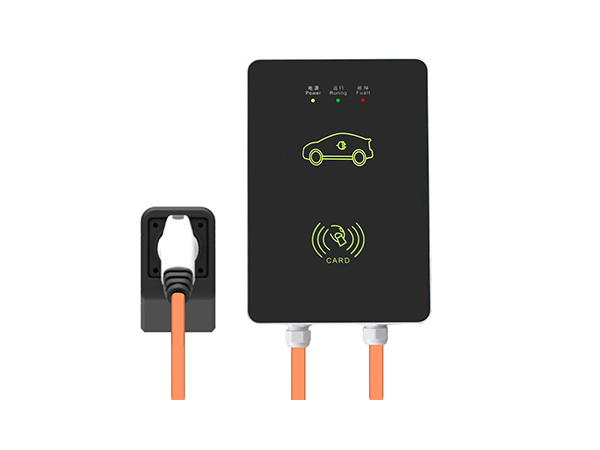
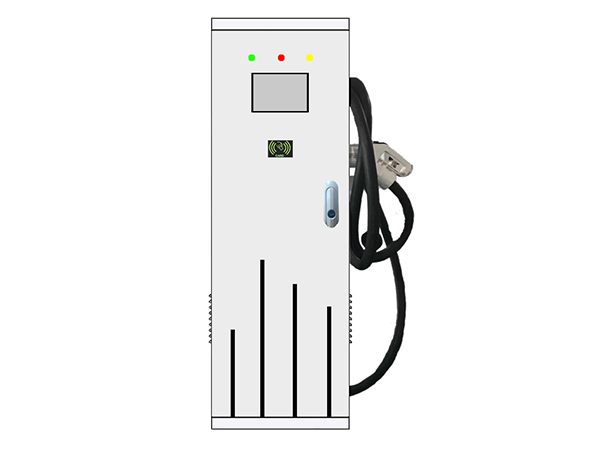
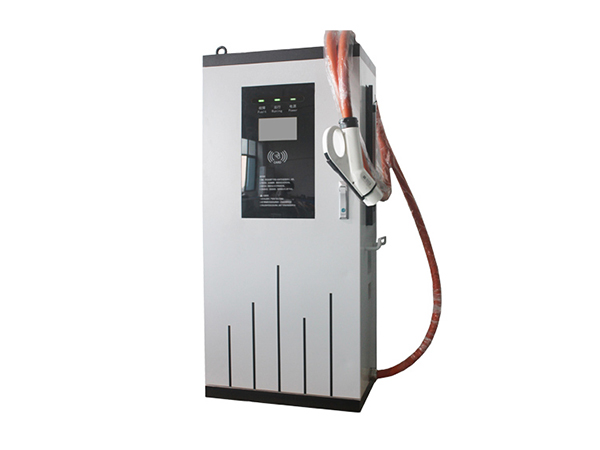
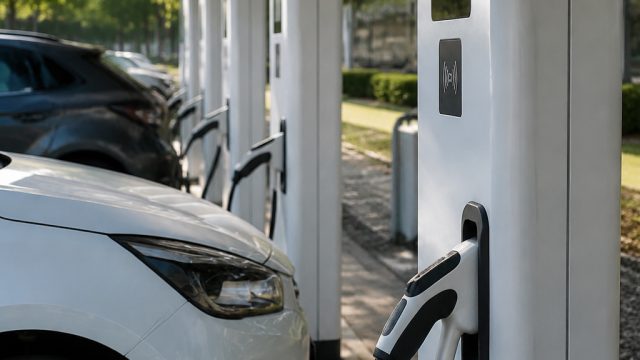
As the demand for electric vehicles (EVs) continues to soar globally, communities are grappling with the challenges of adequate charging infrastructure. Recent innovations by the State Grid in Changzhou, China, have brought forth significant advancements aimed at easing these bottlenecks through the deployment of specialized transformers. This timely development not only addresses immediate EV charging needs but also sets the stage for a sustainable future, making it a pivotal moment for the electric vehicle ecosystem.
Understanding the Charging Bottlenecks
Many communities are witnessing a surge in electric vehicle ownership. However, a lack of sufficient charging stations has led to a major roadblock. Traditional power structures are often unable to handle the increased demand for electricity, causing long wait times and frustrating experiences for EV owners. State Grid's recent initiative tackles these issues head-on.
Challenges Faced by Local Communities
- Insufficient Charging Infrastructure: Many neighborhoods lack adequate charging stations.
- Power Supply Limitations: Existing power systems struggle to meet the heightened electricity demands.
- Increased Wait Times: Many EV owners face long queues for charging, creating inconvenience.
State Grid's Innovative Solutions
In response to these challenges, State Grid has rolled out innovative transformer technology designed specifically for EV charging. These transformers enhance the efficiency and capacity of local power supply systems, making them capable of supporting multiple charging stations simultaneously.
Key Features of the New Transformers
- Load Balancing: The transformers optimize electricity distribution to reduce bottlenecks.
- Rapid Charging Capabilities: They enable faster charging times for electric vehicles.
- Scalability: The technology can be expanded as community EV adoption grows.
Why This Matters Now
The urgency for improved EV infrastructure cannot be overstated. With electric vehicles becoming a mainstream choice among consumers, facilitating a seamless charging experience is essential for broader adoption. The introduction of these specialized transformers by State Grid represents a proactive step towards a future where EV charging is as convenient as refueling a traditional vehicle.
Impact on Community Lifestyle
The implementation of these transformers is poised to transform community dynamics. As charging becomes more accessible and efficient, residents will likely feel more encouraged to transition to electric vehicles. This shift not only contributes to lower emissions but also promotes energy sustainability.
Looking Ahead: The Future of EV Charging
As communities adapt to these changes, several trends are expected to emerge:
- Increased EV Adoption: More consumers will likely choose electric vehicles due to improved charging options.
- Enhanced Community Engagement: Local governments may foster initiatives to support EV infrastructure development.
- Potential for Smart City Integration: The new technology paves the way for smarter, integrated urban energy solutions.
Conclusion
State Grid's innovative transformer solutions emerge as a beacon of hope in addressing the growing challenges of EV charging in communities. By enhancing infrastructure capacity and efficiency, this initiative not only alleviates current bottlenecks but also lays a robust foundation for future advancements. With the right support, communities can look forward to a sustainable and electrifying future.