Key Takeaways
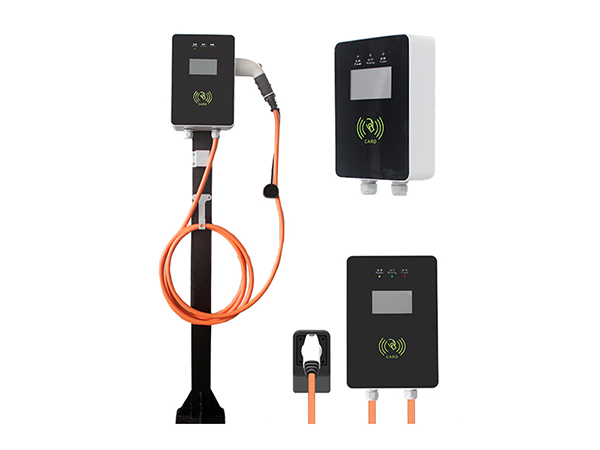
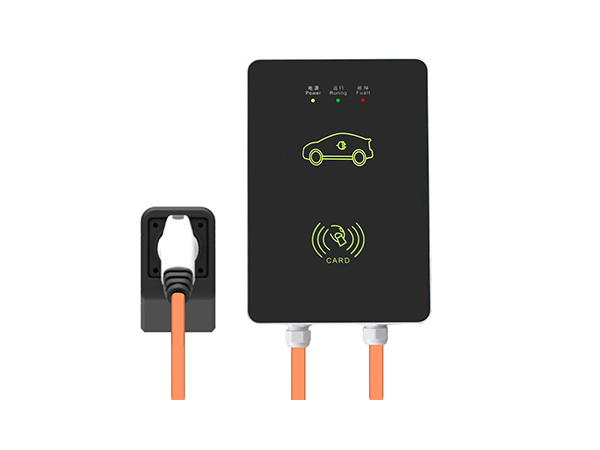
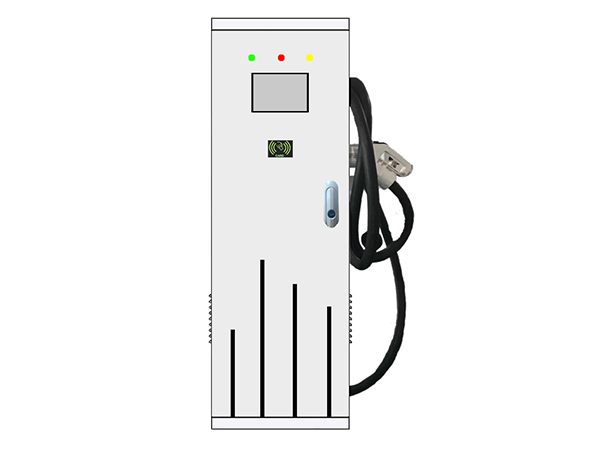
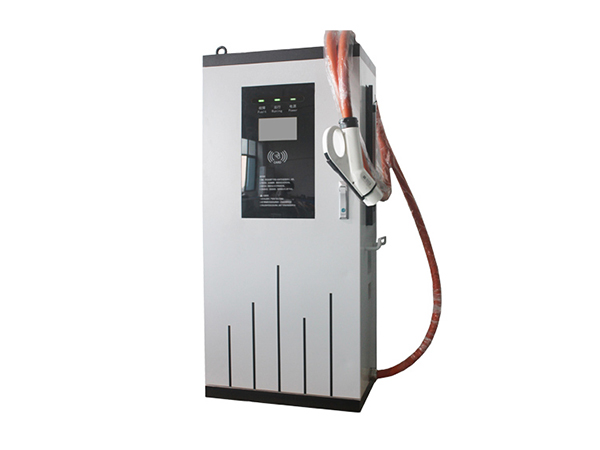
- Schneider Electric launches high-power EV chargers in the UK.
- The initiative aims to boost electric vehicle adoption across the region.
- High-power chargers significantly reduce charging time for EVs.
- Collaboration with local partners will enhance infrastructure.
- This move is crucial for achieving sustainability goals in the UK.
The Growing Need for High-Power EV Charging Solutions
The transition to electric vehicles (EVs) is no longer just a trend; it's a necessary evolution in the automotive industry. As the UK pushes towards its ambitious carbon neutrality targets by 2050, the demand for efficient charging solutions has escalated. In this context, Schneider Electric is stepping up with its high-power EV charging technology, addressing one of the most pressing challenges for EV owners: long charging times.
Current statistics indicate that the UK has over 400,000 registered electric vehicles as of early 2023. With this number expected to double in the next five years, the existing charging infrastructure needs significant upgrades. Schneider Electric’s new high-power chargers promise to charge vehicles much faster, potentially cutting charging time down to around 15 minutes for a full charge. This not only enhances convenience for users but also encourages potential buyers who may be hesitant due to charging duration.
Impact on the UK EV Market
Schneider Electric’s initiative is poised to impact the UK EV market significantly. By enhancing charging infrastructures, the company aims to collaborate with local businesses and municipalities to create an interconnected network of high-power chargers. This effort is particularly focused on urban centers like London, Birmingham, and Manchester, where charging accessibility is increasingly vital.
Market Dynamics and User Adoption
As part of its strategy, Schneider Electric is also delving into market research to understand the needs and preferences of EV users better. Recent surveys have suggested that the primary barrier to EV adoption remains charging infrastructure reliability. By addressing this issue, Schneider Electric not only meets current demands but also anticipates future needs, creating a sustainable ecosystem for EVs.
Broader Implications for Sustainability Goals
The launch of high-power EV chargers by Schneider Electric aligns seamlessly with the UK's broader environmental goals. The UK government has set a target for all new cars and vans to be zero emission by 2030. Rapidly deploying efficient charging solutions is essential for reaching these targets and ensuring that EVs are a practical choice for all consumers.
The Role of Technology in EV Charging
Technology plays a crucial role in the evolution of EV charging solutions. Schneider Electric incorporates advanced energy management systems into its chargers, enabling efficient energy distribution and real-time monitoring. This technology not only optimizes charging but also minimizes energy waste, which is vital for achieving sustainability.
Future Innovations
Looking ahead, Schneider Electric plans to integrate smart technology into its charging stations, allowing users to schedule charging during off-peak hours for cost savings. This innovation could significantly benefit users, especially in regions with variable electricity rates. In Southeast Asia, particularly in the bustling markets of Indonesia—like Jakarta, Surabaya, and Bali—such technologies could help boost the adoption of EVs, providing a model for other ASEAN countries.
Conclusion
Schneider Electric's introduction of high-power EV charging solutions marks a significant step forward in the UK’s journey toward a sustainable transportation future. As the demand for electric vehicles continues to rise, the need for efficient, reliable charging infrastructure becomes increasingly critical. By investing in high-power charging technology, Schneider Electric not only enhances the user experience but also contributes to the UK’s overarching sustainability goals. The initiative is a harbinger of a greener future where electric vehicles become the norm, not the exception.