Key Takeaways
- Indonesia is enhancing its EV charging infrastructure rapidly.
- New fast chargers can boost battery life in just 30 to 45 minutes.
- Jakarta, Surabaya, and Bali are key development areas.
- This expansion supports the ASEAN commitment to clean energy.
- Consumer demand for electric vehicles is on the rise.
As electric vehicles (EVs) continue to gain traction around the globe, Indonesia is making significant strides in its EV charging infrastructure. The recent announcement of new fast EV chargers is a pivotal development for eco-conscious drivers in Southeast Asia. With an eye towards sustainability, Indonesia aims to become a leader in green energy solutions, making the expansion of fast charging stations more crucial than ever.
Understanding the Fast Charging Revolution
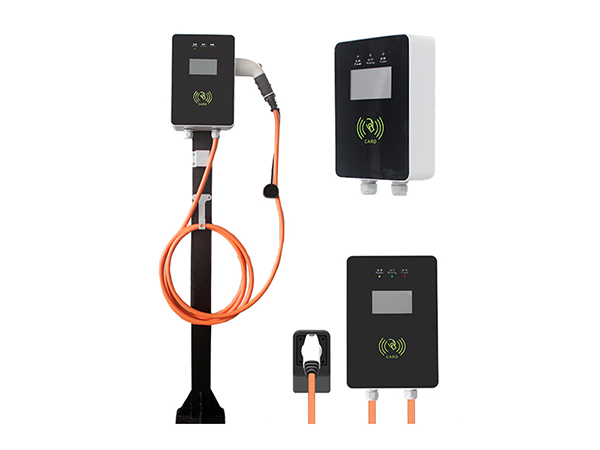
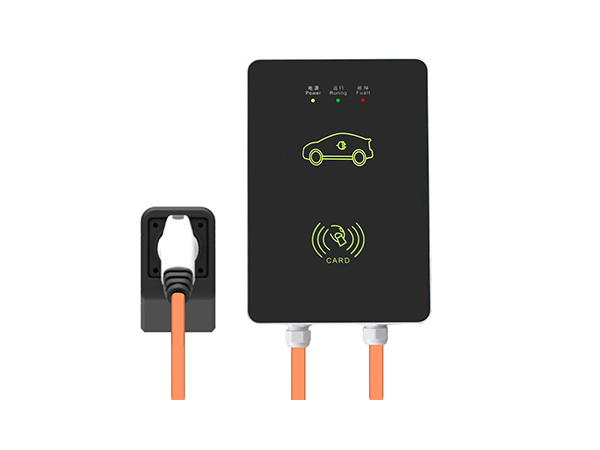
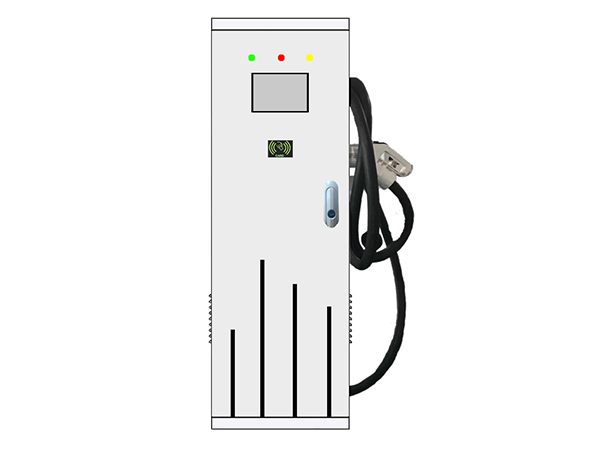
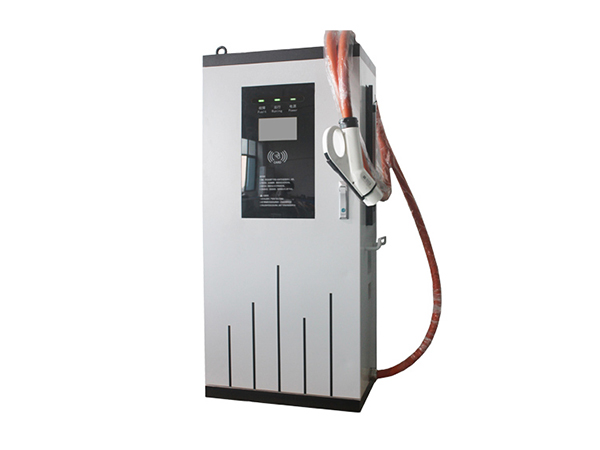
Fast EV chargers are designed to drastically reduce the time needed to power up an electric vehicle. In many cases, drivers can expect their EVs to gain a substantial charge within 30 to 45 minutes, making short stops at charging stations feasible even on busy days. This advancement is particularly significant in urban areas such as Jakarta, Surabaya, and Bali, where the demand for quick and efficient charging solutions is growing rapidly.
Why This Matters Now
With Indonesia set on expanding its EV adoption, which is projected to reach 2 million units by 2025, the timely introduction of fast chargers plays a vital role in supporting this goal. The Indonesian government has outlined plans to improve its electric vehicle ecosystem, including incentives for EV purchases and the development of renewable energy sources.
Market Trends and Consumer Behavior
As consumer awareness around environmental issues increases, the demand for electric vehicles is expected to rise significantly. The Indonesian market reflects this shift, with more consumers considering EVs as viable alternatives to traditional combustion engine vehicles. Data from recent surveys indicate that 78% of potential car buyers in the region are now aware of EV options and their environmental benefits.
Infrastructure Expansion Across Indonesia
Recent investments in EV charging infrastructure have led to the installation of several fast-charging stations in key locations. For example, stations in Bali and Jakarta not only provide much-needed charging facilities but also enhance the overall consumer experience by integrating amenities such as food and shopping options nearby. These locations are strategically chosen to cater to both short and long-distance travelers, making electric vehicle ownership more appealing.
Government Support and Initiatives
The Indonesian government has introduced various initiatives to support the EV market, including tax reductions and investment in renewable energy projects. The commitment extends to the ASEAN region, where countries are collaborating to improve energy solutions and promote sustainable practices. This regional cooperation can lead to a network of charging stations that facilitate travel across borders.
Challenges and Opportunities Ahead
While the progress in EV charging infrastructure is commendable, challenges remain. The need for widespread public awareness and education about electric vehicles is vital. Many consumers still lack information regarding the advantages and functionalities of EV charging systems. Therefore, educational campaigns are essential to ensure that the public understands the long-term benefits of transitioning to electric vehicles.
The Future of EV adoption in Indonesia
As the Indonesian government, private sectors, and consumers work together to embrace electric vehicles, the future looks promising. The installation of fast chargers is just one piece of a larger puzzle aimed at achieving cleaner energy systems. For EV enthusiasts and environmentally conscious drivers, these developments represent a significant step towards a sustainable future.
Conclusion
In conclusion, the expansion of fast EV chargers in Indonesia is not merely an upgrade of infrastructure but a vital leap toward a sustainable future. With the rise in electric vehicle ownership, timely access to fast charging technology will help meet consumer needs and combat climate challenges. As Indonesia strengthens its commitment to clean energy, the integration of fast chargers into daily life will play a crucial role in shaping an eco-friendly transportation landscape.